

Understanding the psychology behind gambling behavior in casinos
The Allure of Gambling: What Draws Players In
The environment of a casino is meticulously crafted to attract and retain gamblers. Bright lights, captivating sounds, and an array of games create an immersive experience that can trigger excitement and anticipation. These sensory stimuli are designed to heighten arousal and encourage players to engage longer. For many, the thrill of potentially winning big becomes an irresistible draw, pulling them deeper into the casino atmosphere. Moreover, those interested in enhancing their experience might explore online betting sites, which have started to attract a considerable audience.
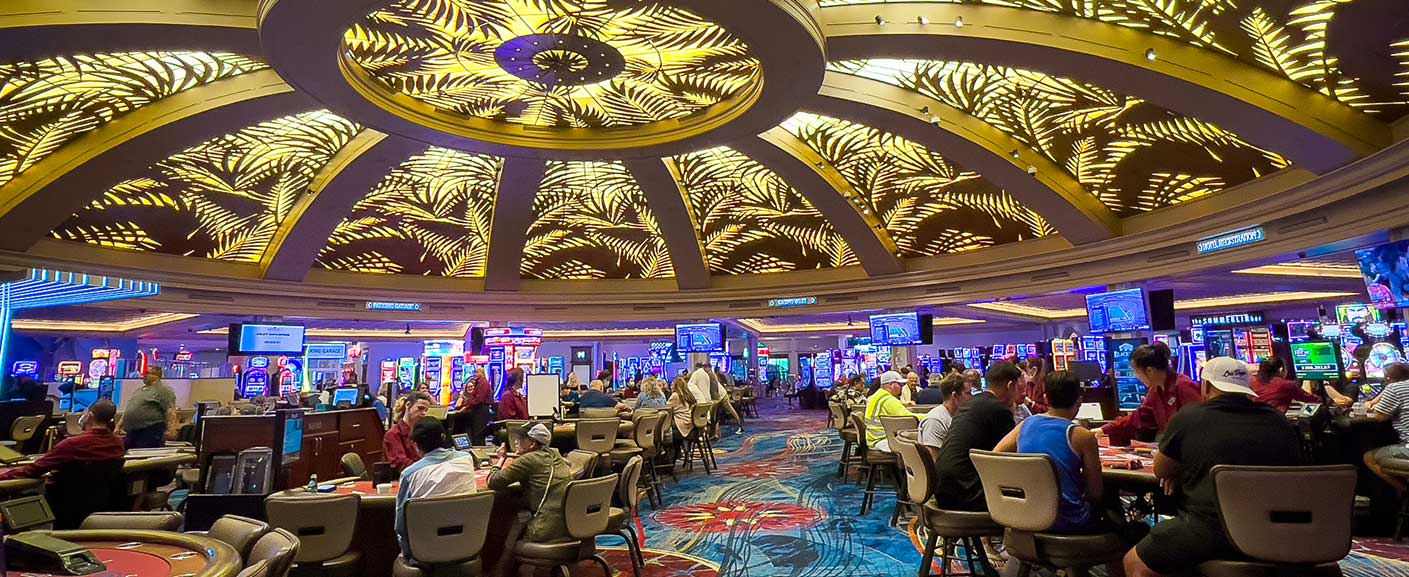
Addiction to gambling often stems from this initial thrill. Players may experience a rush of adrenaline that comes from placing bets, leading them to return in search of that high. The psychology behind this behavior is complex, as it intertwines with emotions, risk-taking, and reward anticipation, creating a cycle that is hard to break.
The Role of Cognitive Biases in Gambling
Cognitive biases significantly influence gambling behavior, leading players to make irrational decisions. One of the most prominent biases is the illusion of control, where individuals believe they can influence the outcome of a game of chance. This illusion makes them more likely to gamble, as they overestimate their chances of winning based on past experiences or strategies that seem effective.
Furthermore, the near-miss phenomenon often keeps players engaged. When gamblers come close to winning, their brains register this as a sign of potential success, prompting them to continue playing. This cognitive distortion can make losses feel less severe and encourage persistent gambling despite financial setbacks.
The Social Aspect of Gambling
The social dynamics within casinos also play a significant role in gambling behavior. Many people are drawn to casinos not just for the games, but for the camaraderie and shared experiences with others. The social aspect can amplify the excitement of gambling, as players often celebrate wins together or commiserate over losses. This sense of community can create a supportive environment that reinforces continued play.
Moreover, peer influence is a powerful factor in gambling. Observing friends or family members winning can evoke feelings of envy or competition, urging individuals to gamble in hopes of achieving similar success. This social reinforcement can lead to increased gambling activity, blurring the lines between casual play and compulsive behavior.
The Impact of Emotions and Stress on Gambling Behavior
Emotions play a crucial role in gambling decisions. Many players turn to casinos as a form of escapism from stress or personal challenges. The act of gambling can provide temporary relief, allowing individuals to forget their worries, albeit momentarily. However, this coping mechanism can lead to problematic gambling, as the temporary relief often gives way to guilt and further stress when losses occur.
Moreover, emotional states can influence risk-taking behavior. Players who are feeling euphoric may be more inclined to make high-stakes bets, while those who are feeling down might engage in gambling as a means of seeking a mood boost. This emotional volatility can create a cycle where highs lead to increased gambling and lows lead to desperate attempts to recover losses.
The Importance of Responsible Gambling Awareness
Understanding the psychology behind gambling behavior is essential for promoting responsible gambling practices. Awareness initiatives aim to educate players about the psychological mechanisms at play, encouraging them to recognize when their behavior may be crossing into risky territory. Many casinos are adopting responsible gaming programs, which provide resources for players to monitor their gambling habits and seek help if needed.
Additionally, recognizing the signs of problematic gambling can empower individuals to make informed choices. By fostering an environment where discussions about gambling psychology are encouraged, casinos can contribute to reducing the stigma around seeking help and promote healthier gambling habits.